EcoNatura's Journey
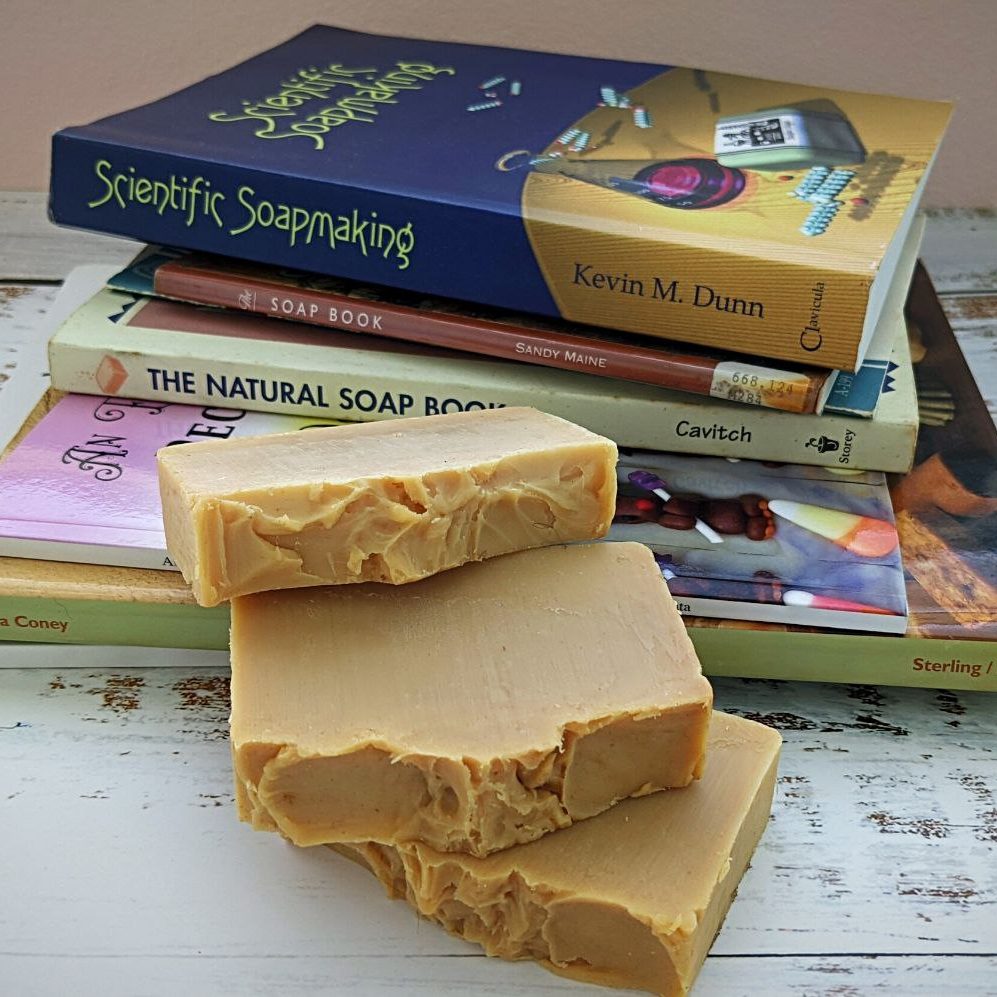
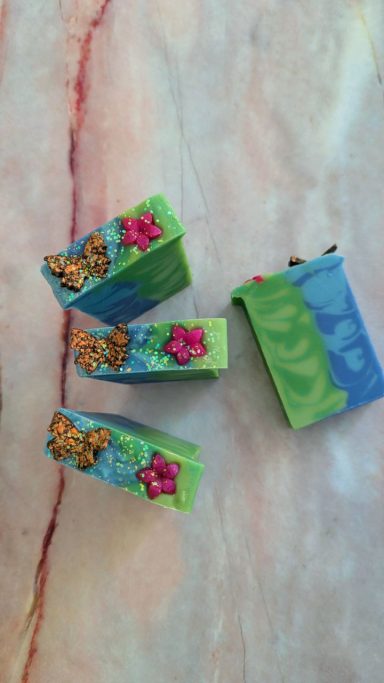
Hi! My name is Jarelis. I'm 38 and a certified artisan in oils and saponification - which is the art and science of creating soap from scratch.
My journey began about fifteen years ago, in 2010, when I attended my first artisan & agricultural fair and discovered handmade soap for the first time. I bought my first bar searching for a gentler option for my mother's very sensitive, dry skin during a difficult time in her health.
Seeing the comfort that a well-formulated soap could provide sparked my curiosity. Years later, I learned something important: soap doesn't cure ailments. But choosing the right formula for your skin type can make a noticeable difference in how your skin feels.
I became fascinated. At the time, I was my mother's full time caregiver and couldn't work a traditional job. With the money gifted to my husband and me on our wedding day, I enrolled in a soap making class and that was the beginning of my never-ending journey of learning.
By 2012 I was certified by Fomento in Puerto Rico, and 2014 became certified by the Instituto de Cultura Puertorriqueña.
Soapmaking became more than a hobby. It became a creative outlet during very difficult seasons of my life. Everything that I continue to learn is so that you can enjoy a thoughtful, relaxing self-care ritual in your everyday shower - a small getaway you truly deserve.
I hope my products, a small piece of me, brings your daily shower rituals the same sense of calm and intention that I feel when I create them.
Thank you for being here and taking the time to get to know us better.
Learn More About Handmade Soaps
Common Misconceptions
There are many common misunderstandings about handmade soap. We believe customers deserve clarity so they can make informed purchasing decisions.
❖ Does handmade soap cure skin conditions?
Some claims suggest handmade soap can cure acne, cellulite, hyperpigmentation, or other skin ailments. However, there is no scientific evidence that soap cures medical conditions.
Soap is a wash-off product, not a treatment.
❖ What happens during saponification?
Saponification is the process of making soap by combining oils or fats with an alkali such as sodium hydroxide (lye) or potassium hydroxide.
The high pH environment during this process transforms the ingredients into soap. After saponification is complete, no lye remains in the finished bar.
❖ Do added natural ingredients keep their benefits?
Many natural ingredients are added for aesthetic appeal or formulation balance. However, because soap is a rinse-off product and exposed to high pH during production, it should not be considered a delivery system for active skincare treatment.
❖ Does using the right soap matter?
Yes.
While soap does not cure conditions, choosing a formula suited to your skin type can affect how your skin feels after washing.
For example:
Higher superfat (more remaining oils) may feel more comfortable for dry skin.
Lower superfat formulas may feel more suitable for oilier skin types.
The benefit lies in proper formulation — not miracle claims.
❖ Why choose handmade soap?
With handmade soap, you know exactly what goes into your product. Ingredients are transparent, and you can avoid unnecessary fillers often found in mass-produced cleansing bars made primarily with synthetic detergents.
If you have questions, we’re always happy to provide clarity.